
How Ice Dams Damage Roofs and Gutters – and How to Stop Them

Tiny homes are becoming a popular choice for people in Connecticut who want freedom, sustainability, and a simpler lifestyle. But while these compact structures offer many benefits, they also present unique challenges, especially when it comes to exterior maintenance. One of the most overlooked yet essential components of a tiny home is its gutter system. Without properly installed gutters, even a small house can suffer from water damage, foundation issues, soil erosion, and mold growth.

One of the biggest winter threats homeowners face is ice dams forming on the roof and inside the gutters. Ice dams are caused primarily by faulty or insufficient attic insulation, and can quietly cause serious damage to your roof and gutters. They can lead to roof leaks, water damage, mold, ruined insulation, and even structural problems. The worst part? Many homeowners don’t realize they have a problem until water starts dripping inside the house.
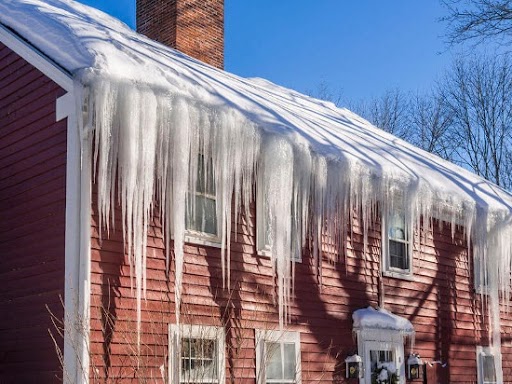
Let’s break down what ice dams are, how they damage your roof and gutters, and what you can do to stop them before they necessitate costly repairs.

What Is an Ice Dam?

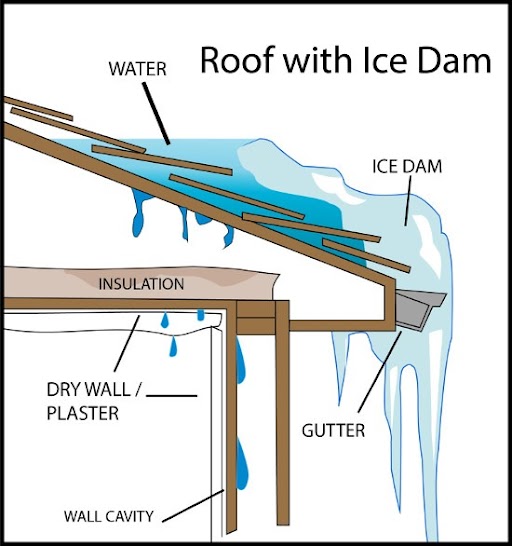
An ice dam forms when snow on your roof melts and then refreezes along the edge of the roof or inside the gutters.
Here’s how it happens:
  1. Heat from inside your home rises into the attic
  2. That heat warms the roof
  3. Snow on the roof melts
  4. The melted water flows down toward the colder roof edge and gutters
  5. The water refreezes into ice
  6. More melting water builds up behind it.

That frozen ridge of ice is called an ice dam. It blocks water from draining properly off the roof, which is where problems begin.
Why Ice Dams Are Especially Common in Connecticut

Ice dams are a widespread winter problem in Connecticut, causing roof leaks, gutter damage, and interior water intrusion. Connecticut’s unique combination of weather patterns and housing characteristics makes homes across the state especially vulnerable to ice dam formation.

Frequent Freeze-Thaw Cycles in Connecticut

Connecticut winters often fluctuate between daytime temperatures above freezing and nighttime temperatures below freezing. This constant freeze–thaw cycle causes snow on roofs to melt during warmer daylight hours and refreeze at colder roof edges overnight, creating ideal conditions for ice dams to form.

Heavy, Wet Snowfall

Connecticut commonly experiences heavy, wet snow. This dense snow traps heat inside the roof, increasing melting. As meltwater flows downward and refreezes near the roof edge and inside gutters, ice dams build quickly.

Older Homes with Insulation and Ventilation Issues

Many Connecticut homes were built before modern insulation standards. Common problems include:

These issues allow heat to escape, accelerating snow melt and ice dam formation.

Why Ice Dams Are So Dangerous

Ice dams may not look like a big deal from the ground, but they can cause serious hidden damage.
When water can’t flow off your roof, it backs up underneath your shingles. From there, it can:
All of this can happen before you ever see a single drop of water inside your home.

How Ice Dams Damage Your Roof

Your roof is designed to shed water – not trap it. Ice dams turn your roof into a pond.

1. Water Gets Under Your Shingles

Shingles overlap to keep rain out, but they aren’t waterproof underneath. When water backs up behind an ice dam, it pushes its way under the shingles and onto your roof deck.
Once this happens:

2. Attic and Insulation Damage

When water enters your attic, it soaks the insulation. Wet insulation:

3. Mold and Mildew

Moisture trapped inside walls and ceilings creates the perfect place for mold. This can affect indoor air quality, family health, and home value.

How Ice Dams Damage Gutters

Your gutters are one of the first things ice dams attack.

1. Gutters Fill With Ice

When melted snow refreezes inside your gutters, it turns into solid blocks of ice. This prevents water from draining and adds heavy weight.

2. Gutters Pull Away From the House

Ice is heavy. When gutters fill with ice, they can sag, bend, pull loose from the fascia, or break completely.
This not only damages the gutter system but also allows water to flow behind the gutters and into your siding and foundation.

3. Downspouts Freeze

When downspouts freeze, they block all drainage. That causes even more water to back up onto the roof, making ice dams grow larger.

Signs You Have an Ice Dam Problem

You don’t have to climb on your roof to spot an ice dam. Look for these warning signs:

If you notice any of these during winter, ice dams may already be causing damage.

Why Gutters Play a Big Role in Ice Dams

Clogged or poorly draining gutters make ice dams worse.
When gutters are filled with leaves, dirt, twigs and/or roofing granules, they trap water. When temperatures drop, that trapped water freezes, creating ice inside the gutter system. That ice blocks new water from draining, forcing it back up onto the roof, creating an ice dam. As this cycle continues with water melting and refreezing higher up on the roof, the ice dam grows larger.
Clean, free-flowing gutters allow melted snow to drain away before it can freeze and create a problem. However, it’s important to note that even if your gutters are clean, ice dams can still form because of attic temperature and attic insulation.

How to Stop Ice Dams Before They Start

The good news is that ice dams are preventable. Here are the most effective ways to stop them.

1. Clean Your Gutters Before Winter

This is one of the most important steps.
Clean gutters:
Gutters should be cleaned in late fall after most leaves have fallen but before freezing temperatures arrive.

2. Improve Attic Insulation

Ice dams form because warm air escapes into the attic. Proper insulation of the attic floor keeps heat inside your home instead of rising into the attic and melting snow on your roof.
Better insulation means less heat loss, fewer melting–freezing cycles, and lower energy bills.

3. Seal Air Leaks

In addition to rising through the ceiling, warm air from within the home leaks into the attic from locations such as attic hatches, light fixtures, bathroom fans, and ductwork.
Sealing these gaps helps keep heat inside your home and reduces snow melt on the roof.

4. Make Sure Your Attic Is Well Ventilated

Good ventilation keeps the roof cold, which prevents snow from melting unevenly. A balanced airflow allows cold air in and warm air to drift out.
This helps keep your roof surface closer to outdoor temperature.

5. Install Gutter Guards (If Appropriate)

High-quality gutter guards can reduce the amount of debris that enters your gutters, helping them drain better during winter. This lowers the chance of ice buildup.

6. Use Roof Rakes After Heavy Snow

Removing snow from the first few feet of your roof edge can reduce the amount of melting water that reaches the gutter area.
Always use a roof rake from the ground – never climb onto an icy roof.

What to Do If You Have an Ice Dam

If ice dams are already forming, don’t try to break the ice with hammers or sharp tools. Doing this can damage shingles, crack gutters, and create more leaks.
Safe options include:

Why Professional Gutter Maintenance Matters

Ice dams don’t happen because of one problem; they happen because of multiple small issues working together. Gutters, insulation, ventilation, and roof condition all play a role.

Frequently Asked Questions

What causes ice dams to form?

Ice dams form when heat from inside your home melts snow on your roof. The water flows down and refreezes at the colder roof edges or inside gutters, creating a frozen barrier that traps more water behind it.

Are ice dams dangerous for my roof?

Yes. Ice dams force water under your shingles, which can cause roof leaks, wood rot, mold, damaged insulation, and ceiling stains.

Can clogged gutters help in the formation of ice dams?

Absolutely. When gutters are clogged with leaves and debris, water cannot drain properly. This trapped water freezes and contributes to ice dam buildup along the roofline. However, it must be stressed: the main cause of ice dams is faulty or insufficient insulation of the attic.

Can I remove ice dams myself?

Small amounts of snow can be removed with a roof rake from the ground, but breaking ice with tools is dangerous and can damage your roof. For heavy ice buildup, professional removal is safer.

What is the best way to prevent ice dams?

The best prevention includes proper attic insulation, sealed air leaks, good roof ventilation, and clean gutters. These steps keep heat from melting snow unevenly.

When should I have my gutters cleaned to prevent ice dams?

Late fall is the best time. Gutters should be cleaned after leaves have fallen but before freezing temperatures begin.
Ice dams can cause some of the most expensive home damage Connecticut homeowners can face, especially due to frequent freeze–thaw cycles and heavy winter snowfall. From roof leaks and mold to broken gutters and ruined insulation, the impact can last long after winter is over.
The best defense is prevention – especially clean, well-maintained gutters and a properly insulated and ventilated attic.
If you take care of these things before winter hits, you can enjoy the snow without worrying about what’s happening on your roof.

Contact Our Team

Would you like a free estimate for your gutter needs? Please fill out the form below and our team will get back to you within 24 hours!

Gutter Guys Coupons and Financing Options