
Mobile homes in Connecticut face unique challenges related to water drainage due to their low foundation, skirting, and roof geometry. Without a proper gutter system, rainwater can pool around the base of the home, causing moisture damage, mold growth, soil erosion, and long-term structural issues.
This guide covers everything you need to know about mobile home gutters, including step-by-step installation, cleaning and maintenance requirements, best materials, costs, and when you should repair or replace your gutters.
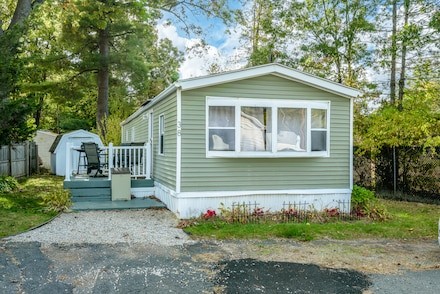
The Importance of Having Gutters for Your Connecticut Mobile Home
- Saturate the soil beneath the home
- Cause skirting to weaken or shift
- Contribute to mold and mildew growth
- Lead to wood rot in fascia and framing
- Increase pest activity near the foundation.
A properly installed gutter system redirects water safely away from the perimeter of the home. This protects the structure, improves long-term durability, and reduces the likelihood of expensive repairs. For mobile homes, gutters are a critical protection system.
What Is Mobile Home Gutter Installation?
Mobile home gutter installation is the professional process of designing and installing a drainage system that fits the specific dimensions and drainage layout of a mobile home. The process includes:
- Measuring the full roof perimeter
- Selecting appropriate gutter material and size
- Establishing a proper slope for water flow
- Installing hangers and fastening the system
- Placing downspouts to direct water away from the home
- Testing for leaks and drainage performance.
Best Gutter Materials for Mobile Homes in CT
Different materials offer different benefits. The most common options for CT homeowners include:
Seamless Aluminum Gutters
- Custom-fabricated for precise fit
- Fewer joints reduce leak risk
- Rust-resistant and lightweight
- Long service life with proper maintenance
Sectional Aluminum Gutters
- Lower upfront cost
- Easy to repair in small sections
- Slightly higher leak and corrosion risk at seams
Vinyl Gutters
- Budget-friendly option
- Lightweight and corrosion-free
- Shorter lifespan and more vulnerable to cracking
Steel Gutters
- Very strong and impact-resistant
- Heavier and higher cost
- Requires rust prevention, usually through galvanizing
Mobile Home Gutter Installation Process
1. Inspection and Measurement
2. Material and Design Selection
3. Fascia Preparation
4. Gutter Fabrication and Mounting
5. Downspout Placement and Water Testing
Downspouts are positioned to move water away from skirting, entryways, and foundation areas. Since mobile home owners often don’t own the land beneath their homes, they may not have control over the soil grading around their houses. Professional installers take soil slope into account when planning drainage extensions and direction.
After installation, the drainage system is tested with water. Most mobile home gutter installations are completed within one working day.
Connecticut Mobile Home Gutter Installation Cost
| Gutter Material | Average Cost Per Linear Foot |
|---|---|
| Vinyl | $6 – $10 |
| Aluminum | $8 – $15 |
| Seamless Aluminum | $12 – $25 |
| Steel | $20 – $35 |
Factors That Affect Final Pricing
- Total roofline length
- Gutter material selection
- Fascia repairs
- Removal of old gutters
- Accessibility around the home
What to Expect Before Gutter Installation
- A written estimate
- Clear scope of work
- Material specifications
- Installation timeline
- Downspout and drainage plan
A professional gutter company will explain all costs and construction details in advance.
What to Expect on Gutter Installation Day
- Existing gutters are removed if present
- Fascia condition is verified
- New gutters and downspouts are installed
- The system is water-tested
- All debris is cleaned before completion
What to Expect After Gutter Installation
- Improved drainage performance
- Reduced water pooling around the home
- Cleaner siding and roof edges
- Lower moisture levels beneath the home
Mobile Home Gutter Repair vs Full Replacement
How to tell whether you need gutter repair or replacement for your mobile home.
Repairs Will Suffice If You Have:
- Small section leaks
- Loose fasteners or hangers
- Detached downspouts
- Minor storm damage
You Need Full Gutter Replacement If You See:
- Repeated leaks across multiple sections
- Rusting throughout the system
- Water flowing behind gutters
- Significant sagging
- Failing fascia boards
Why Professional Gutter Installation Matters
- Incorrect slope
- Poor hanger spacing
- Inadequate downspout placement
- Fascia board damage
- Safety risks from ladder use. Don’t let the low roof elevations of mobile homes give you a false sense of security. Ladder accidents happen at all heights.
Professional gutter installation ensures correct drainage performance, code-compliant fastening, and long-term durability.
Mobile Home Gutter Maintenance Guide
- Clean gutters 3–4 times per year
- Check for loose hangers and brackets
- Inspect fascia boards for early signs of rot
- Ensure downspouts extend several feet away from the home
- Clear debris after storms or high winds
- Examine seams and joints for drips or leaks
Consistent gutter maintenance helps prevent overflow, siding stains, soft soils, and damage to skirting.
Common Gutter Installation Mistakes Mobile Homeowners Should Avoid
- Installing gutters without proper slope
- Using lightweight vinyl gutters in high-sun or heavy-rain areas
- Placing downspouts too close to skirting or entry steps
- Failing to replace damaged fascia before installation
- Allowing water to discharge directly under the home
- Using too few hangers, leading to sagging or detachment
Mobile Home Gutter Cleaning: Why It’s Essential
Gutter cleaning is a critical part of protecting your mobile home from water damage. Due to the lower roof height and proximity to trees, mobile home gutters tend to collect debris faster than traditional homes. Leaves, dirt, pine needles, and roof granules can clog gutters and downspouts, causing water to overflow or back up against the roof edge and skirting.
When gutters are not cleaned regularly, homeowners may experience:
- Water spilling over gutter edges
- Overflow soaking skirting and soil
- Increased risk of mold and mildew beneath the home
- Fascia board deterioration
- Standing water near entry steps and walkways
How Often Should Mobile Home Gutters Be Cleaned in Connecticut?
Signs Your Gutters Need Immediate Cleaning
- Water spilling during rainfall
- Plants growing from gutters
- Stains on siding or skirting
- Dripping joints or seams
- Pests or insects near gutter lines
Frequently Asked Questions
Q: How long does mobile home gutter installation take?
Most mobile home gutter installations take 4–8 hours, depending on home size and fascia condition.
Q: Are seamless gutters worth it?
Yes. Seamless aluminum gutters are the best choice because they reduce leaks, withstand harsh weather, and require less long-term maintenance.
Q: How much does mobile home gutter installation cost in Connecticut?
Most homeowners pay between $700 and $2,800, depending on material, roofline length, and number of downspouts needed.
Q: Do gutters help prevent mold and structural problems?
Absolutely. Proper drainage keeps moisture away from your home’s base, preventing mold, mildew, wood rot, and soil shifting.
Q: What size gutters are best for mobile homes?
Most installers in Connecticut use 5-inch gutters, but 6-inch gutters are recommended for areas with heavy rainfall.
Protecting Your Mobile Home with the Right Gutter System
A properly installed gutter system is one of the smartest investments you can make for your mobile home. It protects your mobile home’s roof, walls, foundation, and landscaping from costly water damage while improving your home’s overall safety and value. If your gutters are old, leaking, sagging, or not performing well, now is the perfect time to upgrade. Don’t wait for bigger problems. Request your free estimate today.


